







Search Results for: genmaicha flavor
What Is Indian Monsooned Coffee (Monsooned Malabar)? A Full Analysis of Its Region, Varieties, Processing Method, and Brewing Flavor
When it comes to Asian coffee, most people first think of Indonesian Mandheling, but India also has a bean full of mystery—monsooned coffee, also called monsoon coffee or Malabar coffee. Its flavor does not come from artificial fermentation or sun-drying; instead, it relies on the hot, humid southwest monsoon winds of the Indian Ocean to make green beans swell and change color over weeks to months, reducing acidity and developing a unique profile reminiscent of nuts, grains, and genmaicha. Front Street Coffee will guide you through its origins, the Malabar region, its ports, the monsooning process, the characteristics of varieties such as Kents/S795/Catimor, and include roasting curves plus brewing comparisons using siphon, AeroPress, French press, and Kalita dripper, so you can understand this Indian curiosity—a bean that “depends on the heavens”—in one article. [more…]
Indian Monsooned Malabar Coffee Bean Flavor Analysis: A Complete Guide to Monsoon Processing and Pour-Over Parameters
Indian coffee has gained fame in the specialty coffee world not through traditional fruity acidity and floral notes, but by taking a unique path with its distinctive "cured" flavor, among which Monsooned Malabar is particularly well known. This coffee originated during the age of sailing ship transport in the 17th and 18th centuries, when green beans absorbed sea moisture and salt in the lower holds of ships, unexpectedly transforming into a special flavor profile that was yellowish-brown and almost completely lacking in acidity. After the opening of the Suez Canal shortened the voyage, Indian exporters, in order to recreate the old flavor, used the salty, humid monsoon winds along the Malabar Coast from May to September and processed the beans for several months in monsoon warehouses, causing the green beans to swell and change color while developing a rich nutty, grainy tone and an aroma and mouthfeel reminiscent of genmaicha. During cupping, Front Street Coffee found that this bean carried caramel, raisin, and herbal notes along with a berry finish. This article will provide a complete analysis of its producing region background, processing method, cultivated varieties, roasting curve, and brewing parameters, offering coffee lovers a detailed reference guide. [more…]
An Analysis of Indian Coffee Flavor Characteristics: A Comprehensive Overview of Five Major Varieties and the Monsoon Processing Method
India, as the first country in Asia to cultivate coffee, has a coffee industry with a unique historical trajectory and flavor profile. From Baba Budan bringing seven coffee seeds back to his homeland in the 17th century to India now being the world's fifth-largest coffee producer, Indian coffee has always been known for its full body and herbal notes. This article will guide you through India's coffee-growing environment and the distribution of its main producing regions, provide a detailed analysis of the characteristics of five major varieties—Kent, S795, S274, Sln C×R, and Catimor—and take an in-depth look at the renowned Monsooned Malabar, the golden, acid-free coffee that was accidentally born from maritime trade, as well as Front Street Coffee's professional recommendations for roasting and brewing it. [more…]

An Analysis of the Monsoon Malabar Coffee Bean Process: Processing Flow, Flavor Characteristics, and Roasting & Brewing Guide
Monsoon coffee is a unique monsooned coffee from southern India, born from the historical accident of sailing ships transporting beans in the 17th and 18th centuries. The green coffee beans were exposed to the southwest monsoon winds for months in open warehouses, expanding in size and decreasing in acidity, developing a distinctive flavor reminiscent of nuts, grains, and genmaicha tea. Front Street Coffee's cupping has found that coffee beans from Asian origins are generally known for their full body, and this monsoon bean stands out with a prominent herbal note on the palate and an excellent full body. This article will comprehensively trace the origin story of monsoon coffee, its five-step processing method, and the physical changes in the green beans, along with Front Street Coffee's roasting curve and brewing parameter recommendations, to give you a complete understanding of this golden, acid-free coffee from origin to cup. [more…]
The Flavor Code of Geisha Coffee: Citrus and Jasmine Aromas, and an Analysis of Hacienda La Esmeralda's Red and Green Label Specialty Beans
Geisha coffee can be considered a dazzling star in today's specialty coffee world. With its elegant aromas of jasmine and genmaicha, along with complex fruit notes of citrus, berries, and apricot, it presents a layered, juice-like sweetness that stands in stark contrast to the traditional bitter coffee people often imagine. Its rise to prominence would not have been possible without the discovery and promotion by Panama's Hacienda La Esmeralda. This article will guide you through the discovery history of the Geisha variety, explain the specific differences between the Red Label and Green Label grades, and present the core characteristics of Front Street Coffee's Hacienda La Esmeralda Red Label and Green Label Geisha in terms of origin, processing method, and cupping flavors, helping coffee enthusiasts gain a clearer understanding of what true Geisha coffee is. [more…]
How to Choose the Grind Size for AeroPress? Front Street Coffee Elida Typica Practical Comparison and Brewing Method Analysis
After brewing pour-over for a long time, you always want to switch to a different device for a change of taste, and the AeroPress has become the new target for many coffee enthusiasts. But when using the AeroPress to make coffee, exactly how fine or coarse should the grind be? This article uses Front Street Panama Elida Typica as the experimental bean, fixing the dose at 15 grams, water temperature at 90°C, brew ratio at 1:15, and extraction time at 2 minutes, changing only the grind size, to compare the actual performance of three settings—BG 5M (60% passing a No. 20 sieve), BG 5R (58%), and BG 6M (47%)—starting from flavor clarity, sweet-acidity balance, and the risk of off-flavors, to find the grind setting suitable for this light-roast natural bean, and includes the complete operating method to help you brew a stable, delicious cup with the AeroPress. [more…]
Panama Hacienda La Esmeralda Geisha Coffee: A Complete Guide to Golden Roast and Pour-Over & Siphon Brewing
Geisha coffee is famous for its elegant jasmine and genmaicha aromas, its sweet-and-tart layers of citrus and berries, and its pronounced juicy mouthfeel, and Panama is the place where it rose to fame. This article begins with the grade differences between Red Label and Green Label Geisha from Hacienda La Esmeralda, guiding you through Geisha's classic flavors, while focusing on Finca Janson—an ecological farm at 1,700–1,750 meters elevation with volcanic ash soil that was shortlisted for the Best of Panama award in 2013. The article not only analyzes Finca Janson's growing advantages and ecological conservation philosophy, but also provides pour-over and siphon brewing methods under a golden roast profile, and retains Front Street Coffee's curated recommendations, presenting coffee lovers with a complete guide from bean to cup. [more…]
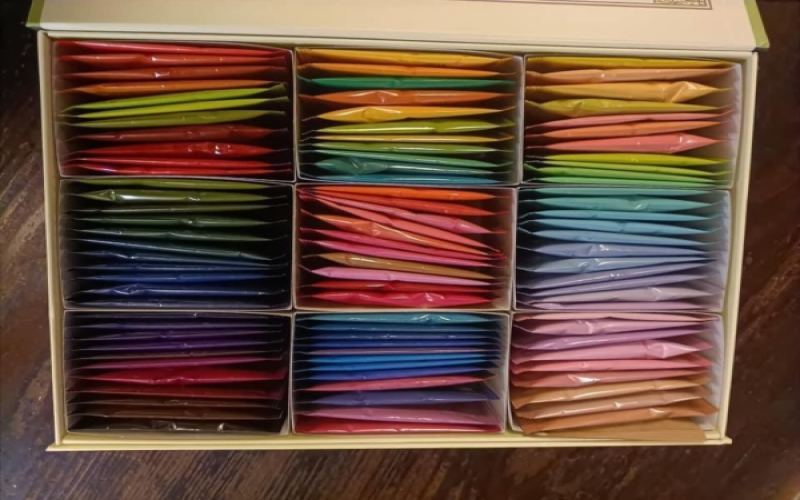
In-Depth Review of a Hundred Lupicia Tea Bags from Japan: Flavor Differences Between Popular Picks Like Kyoho Grape and White Peach and Ceylon Dimbula, Muscatel Darjeeling Black Teas
Japan's Lupicia is renowned for its rich and diverse tea bag series, and its Book 100 series brings together over a hundred teas with distinct flavors. Starting from the top 10 popularity ranking, this article reviews signature offerings one by one, including Kyoho, White Peach Oolong, and TOKIO Tokyo Wild Berry, while also taking an in-depth look at the flavor differences between Ceylon Dimbula and Darjeeling black tea. At the same time, it analyzes the real performance of specialty teas such as Nilgiri, deep-steamed sencha, and Cherry Black Tea. Whether you are a beginner just getting into Lupicia or a seasoned tea drinker looking for an everyday staple, this review can help you find the one that suits you best. Front Street Coffee will also combine tasting experience to share practical advice on selecting and brewing. [more…]
A Comprehensive Analysis of the Pour-Over Parameters and Flavor Characteristics of Honduras Sweet Orange Estate Coffee Beans, Light Roast
Honduras, as the largest coffee-producing country in Central America, has seen its coffee industry travel a winding road from obscurity to the ranks of the world's leaders. This article will start with Honduras's coffee development history, producing regions, and grading system, then focus on the washed Catuai variety from Sweet Orange Estate in the La Paz producing region in the southwest. Front Street Coffee will share this bean's green coffee characteristics, the design approach for its roasting curve, and complete brewing parameters for pour-over at a light roast, including grind size, water temperature, and coffee-to-water ratio, as well as a detailed description of its flavor layers of spicy roasted peanut dry aroma, berry acidity, and genmaicha finish, providing coffee lovers with a practical brewing reference. [more…]
A Complete Guide to Costa Rica Baja Coffee Flavor Analysis and Raisin Honey Processing Brewing Techniques
Among the Costa Rican Musician Series, the Bach coffee bean stands out with its unique raisin honey processing method, displaying intense fermented aromas and rich sweetness, making it a favorite among many coffee enthusiasts. This article will start from the principles of raisin honey processing, thoroughly dissect the flavor characteristics of Front Street Coffee's Bach bean, and conduct brewing comparisons using the V60, cake filter, and ice-eye filter separately, recording the effects of different filter cups on flavor layers, balance, and mouthfeel, helping readers find the most suitable brewing method for themselves and fully appreciate the charm of this bean. [more…]
How Does First Crack Timing Shape Flavor? A Deep Dive into Three Roast Profiles for Front Street Coffee Costa Rica Black Soul
In coffee roasting, "first crack" is not only an important auditory milestone, but also directly relates to the final flavor presentation in the cup. This article uses Front Street Coffee's Costa Rica Natural Black Soul as a sample, conducting comparative experiments through three roasting curves with different first crack times, to deeply explore the specific effects of the length of the drying phase on bean expansion, the degree of the Maillard reaction, and cupping flavor. From 7 minutes 30 seconds to 8 minutes 30 seconds, subtle differences in first crack timing bring significant changes in fruit acidity, sweetness, body, and complexity. This article will break down each curve's roasting parameters, bean surface condition, and brewing performance one by one, helping roasting enthusiasts understand the core logic of first crack time control. [more…]
Costa Rica Musician Series Bach Coffee: Variety Characteristics and V60 and Other Pour-Over Brewer Brewing Parameters Explained
This article focuses on the Costa Rica Musician Series Bach released by Front Street Coffee. It first introduces the background of its producing region, estate, processing method, and Caturra variety, then explains the flavor positioning and brewing approach for this bean. The article uses the V60, cake filter, and Ice Eye dripper for comparison, providing water temperature, grind size, coffee-to-water ratio, and a three-stage pouring technique, and records the flavor changes at high temperature, medium temperature, and after complete cooling. It is suitable as a reference for coffee enthusiasts who want to understand the characteristics of the Musician Series Bach and who hope to replicate its high sweetness, full body, and clean expression. [more…]
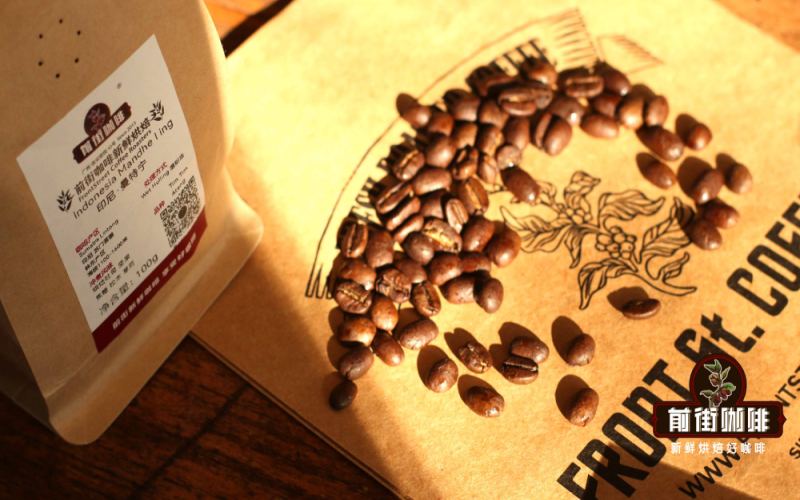
Classic Coffee Beans | What Are the Common Arabica Coffee Beans for Beginners? Recommended Specialty Hand-Grind Coffee Beans Suitable for Grinding and Brewing
When choosing coffee beans, your own taste should be the standard. Generally speaking, lightly roasted African beans tend toward acidity, American beans emphasize aroma, while Indonesian and Blue Mountain beans present a heavier, fuller flavor. The following are some of the most common Arabica coffee beans for beginners. 1. Front Street Mandheling coffee beans, the most expensive coffee in the world [more…]
A Comprehensive Analysis of the Flavor Differences and Processing Methods of the Three Major Asian Coffee-Producing Countries: Indonesia, India, and Vietnam
The Asian coffee regions are renowned worldwide for their rich, full-bodied flavor profiles. Indonesia, India, and Vietnam, as the three core producing countries, each cultivate distinctly different coffee styles. Indonesia's wet-hulling method and unique terroir create the intense, herbal character of Mandheling; India, with its monsooned Malabar process, wrote a legend of the Age of Discovery; Vietnam developed a unique street culture with its drip coffee and condensed milk. Front Street Coffee takes you through the variety origins, processing methods, and flavor characteristics of these three countries one by one, with complete brewing parameter references included. [more…]
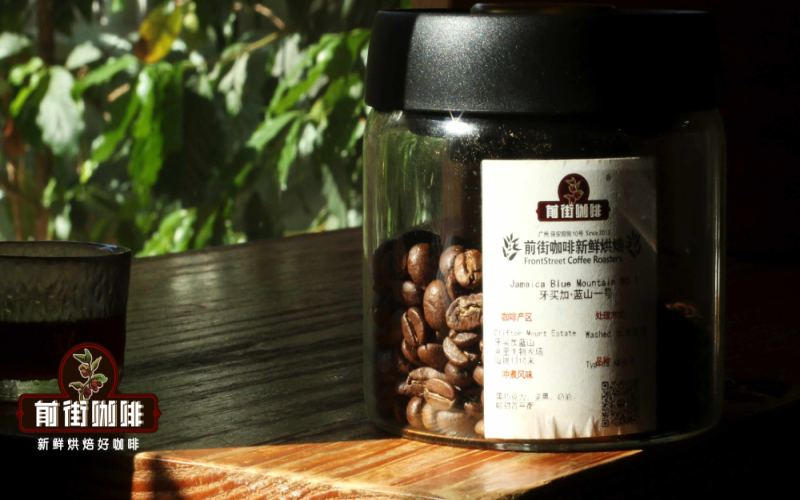
Introduction to Premium Classic Coffee Beans | What Are the Common Arabica Coffee Beans for Beginners? Recommended Affordable and Delicious Single-Origin Pour-Over Coffee Beans
Choosing coffee beans is based on your own taste preferences. Generally speaking, lightly roasted African coffees tend toward acidity, American coffees highlight aroma, while Indonesian and Blue Mountain coffees present a heavier, more full-bodied flavor. The following are some of the more common Arabica coffee beans for beginners. 1. Front Street Coffee Mandheling coffee beans, the most expensive coffee in the world [more…]
Exploring Asia's Three Major Coffee-Producing Countries: Bean Flavors and Human Stories from Indonesia, India, and Vietnam
The Asian coffee-producing regions occupy a unique position in the global coffee landscape, known for their rich, full-bodied flavor profiles. Front Street Coffee has always been dedicated to tasting coffee beans from around the world, comparing different varieties, origins, and processing methods, and building a visual flavor database to help coffee enthusiasts gain a deeper understanding of the coffee world. This article focuses on Asia's three major coffee-producing countries—Indonesia, India, and Vietnam—outlining their respective coffee development histories, growing environments, variety characteristics, processing techniques, and signature flavors. From Indonesia's Mandheling, Java, and Sulawesi, to India's Monsooned Malabar and Robusta Kaapi Royale, and then to Vietnam's distinctive drip coffee with condensed milk, egg coffee, and yogurt coffee, we present one by one the diverse facets and cultural richness of Asian coffee. [more…]
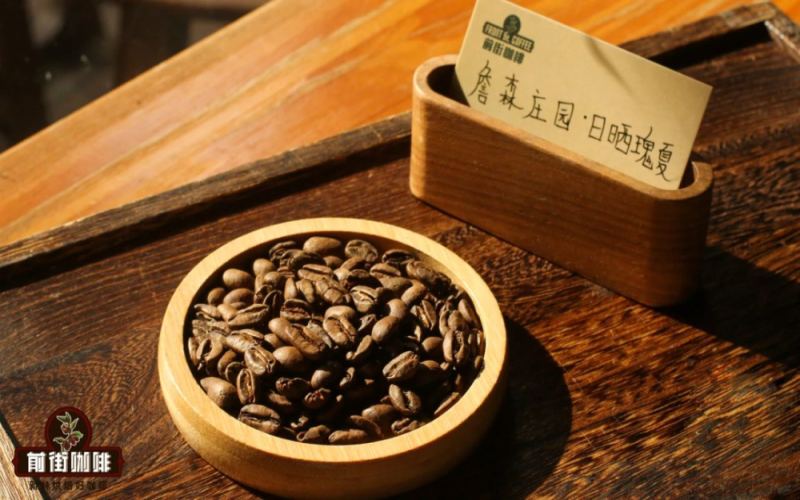
Panama Janson Estate Geisha Coffee Siphon Brewing Full Process and Parameters Detailed Guide
Geisha coffee is known as the "Champagne of the coffee world," and Panama's Janson Estate is a key origin of this legendary variety. This article focuses on Front Street Janson Geisha, first introducing its growing region environment, flavor characteristics, and the estate's ecological philosophy, then providing a complete illustrated step-by-step demonstration of how to brew Geisha with a siphon, including key parameters such as equipment preparation, water temperature control, timing of adding coffee grounds, stirring rhythm, and backflow technique. Whether you want to learn the origin story of Geisha or hope to master the specific techniques for extracting Geisha with a siphon, you will find practical reference here. [more…]
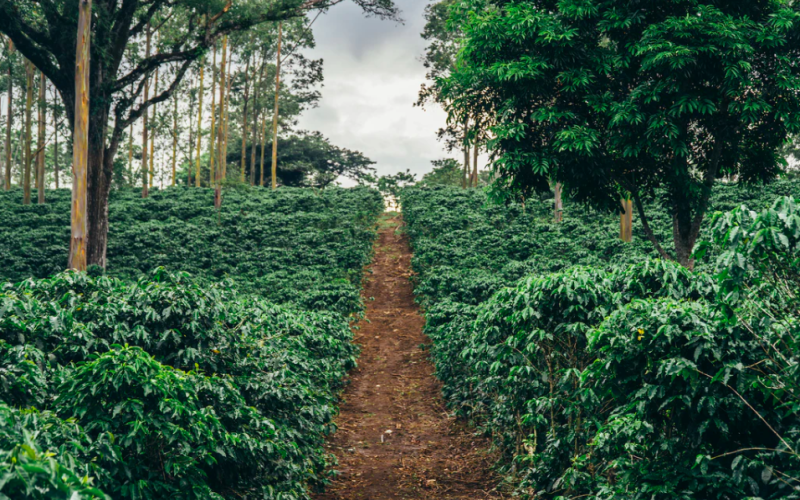
Costa Rica Brumas Estate Honey-Processed Coffee: A Complete Analysis of Honey King Flavor and Mouthfeel
Costa Rica is renowned for its consistently high-quality Arabica coffee, with honey processing being particularly iconic. Brumas Farm, located in the Central Valley, won the Best Coffee title in 2006 and is hailed as the "Honey King." This article guides you through Costa Rican coffee varieties and regional characteristics, offers an in-depth analysis of the flavor layers of Brumas Estate honey-processed coffee, and recommends two beans worth trying—Front Street Strawberry Candy and Front Street Blackberry—so you can experience the sweetness and complexity that honey processing brings. [more…]
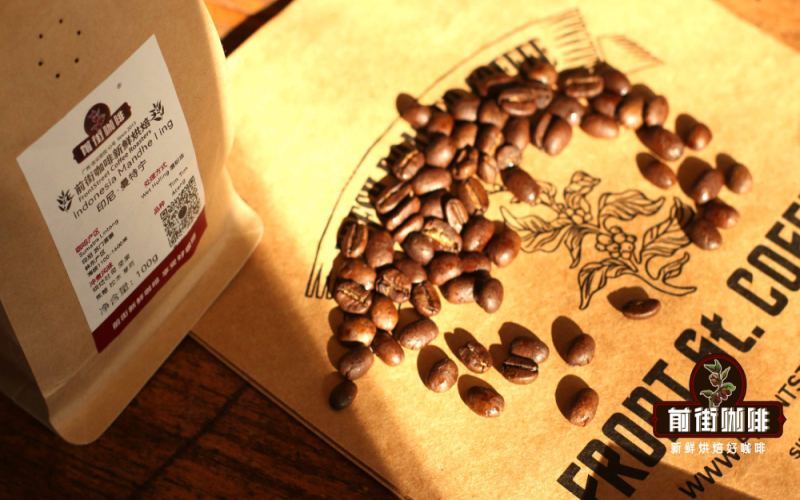
A Must-Read for Coffee Lovers: A Complete Guide to Grinding and Brewing Five Classic Single-Origin Coffee Beans
For coffee lovers, selecting high-quality coffee beans suitable for grinding is key to enhancing the flavor experience. This article reviews five Front Street Coffee beans from classic origins—from the rich and bold Indonesian Mandheling, to the balanced and elegant Jamaican Blue Mountain, to the fresh and bright Yirgacheffe, the balanced and versatile Colombian Supremo, and the sweet and clean Brazilian Red Bourbon. Each one has its own distinctive characteristics, suited to different brewing methods and taste preferences. Whether you prefer the purity of black coffee or the smoothness of a latte, you can find your ideal choice among them. Let's learn about their flavor characteristics and best grinding recommendations together. [more…]
A Must-Read for Coffee Enthusiasts: Flavor Profiles and Brewing Guides for Five Classic Coffee Beans
In the world of coffee, different regions, varieties, and processing methods give coffee beans a myriad of flavor expressions. For enthusiasts who are just getting into specialty coffee, starting with classic regions often allows them to build a framework for understanding coffee flavors more quickly. This article selects five representative classic coffee beans—from the rich and full-bodied Mandheling, to the balanced and elegant Blue Mountain; from the fresh and bright Yirgacheffe, to the nutty and sweet Colombian Huila, and then to the clean and mild Brazilian Red Bourbon. The article will go through their origin terroir, flavor characteristics, and suitable brewing methods one by one, helping readers find the cup of coffee that matches their own taste. [more…]